The Shimba Hills
The entrance to Shimba Hills is only 30 minutes away from Shimoni and is a unique chance to do a short safari on a day trip from the lodge.
U can also take escorted walks, swim in waterfalls and experience a bit of the mystery of the African bush on your door step.
The Shimba Hills National Reserve is a small National Park in the Coast Province of Kenya, 33 km from Mombasa and 15 km from the coast. The reserve is an area of coastal rainforest, woodland and grassland. It is an important area for plant biodiversity – over 50 % of the 159 rare plants in Kenya are found in the Shimba Hills, including some endangered species of cycad and orchids. It is also a nationally important site for birds and butterflies.
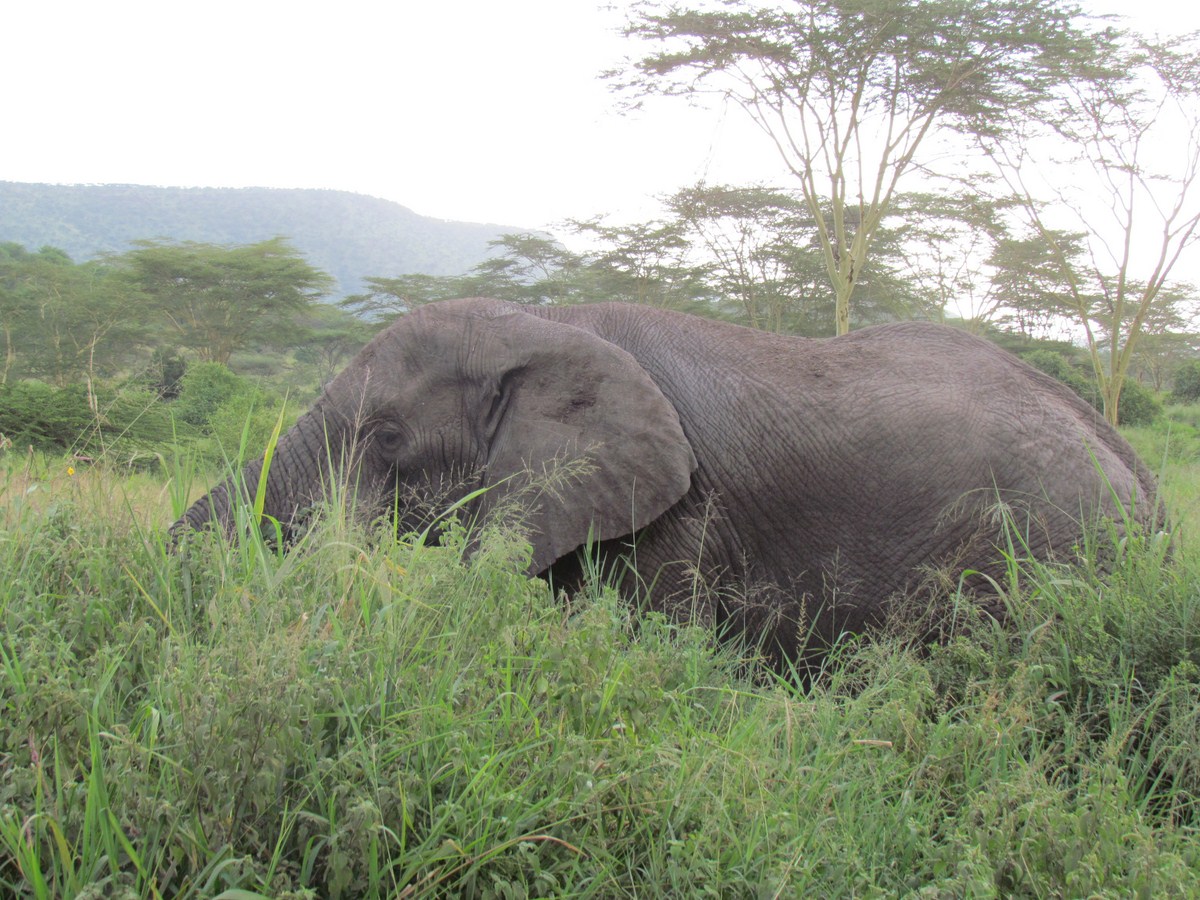
The tropical forests of Shimba Hills are a unique habitat for elephants of the Kenyan coast.
The very small park is also the sanctuary of the last breeding herd of indigenous sable antelope in Kenya. This typical sabre-horned antelope is often considered as the most beautiful of the large antelopes.
Other animal species found in the area are, Giraffes, Leopard, Genet, Civet cat, Waterbuck, Bush pig, Buffalo, African Bush Baby, Bushbuck, Coastal Black and white Colobus, Vervet Monkey, Sykes Monkey, Serval cat, Black and Red Shrew
Because vegetation cover is dense and the weather is very hot during the peak hours, animals rest in shades most of the day in the forest and may be hard to see. A visit early in the morning and late afternoon is recommended.
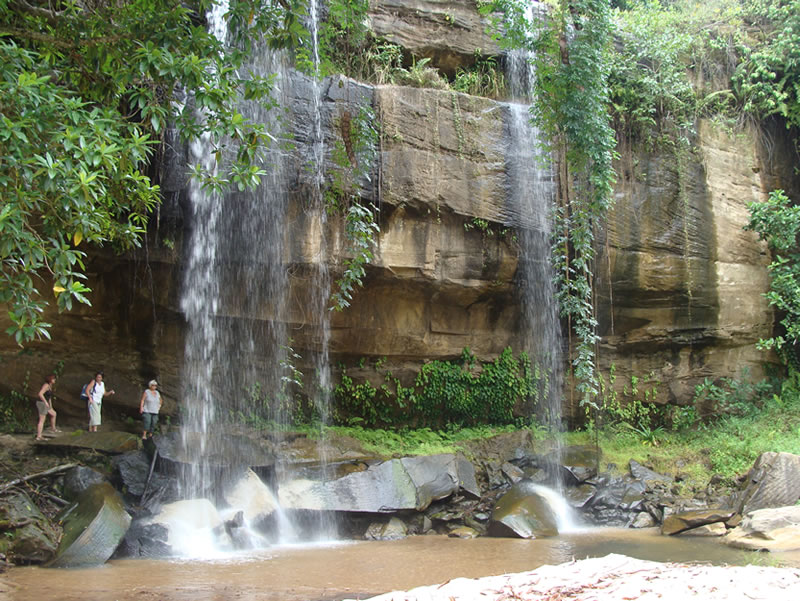
Deep in the national reserve is a spectacular breathtaking 82 foot waterfall with a natural plunge pool. A shower in the cool clean waters of the fall or a dip in the pool is quiet refreshing after the walk.
As you walk following the trail, the ranger or naturalist will educate you on the rich flora and fauna found in the park. You may spot some of those rare butterflies including Acraea aubyni an orange black butterfly that flies slowly.
To descent you have to count 45 minutes and 1 hour to return.
Itnerairy
You leave at 6 am from Shimoni Reef Lodge.
Morning game drive
Visit to the Sheldrick falls
Lunch at Shimba Hills Lodge
After noon game drive
Price per person: US$ 120
The Sable Antelope
The Sable Antelope stands 120 to 140 centimetres at the shoulder and weigh 200 to 270 kilograms, males being larger than females. Female Sable Antelope are chestnut to dark brown darkening as they mature while males are very distinctively black. Both sexes have a white underbelly, white cheeks and a white chin. They have a shaggy mane on the back of their neck. Sable antelope have ringed horns which arch backward, in females these can reach a meter, but in males they can reach over one and a tenth meter. The life span of these animals is up to 18 years.
Ecology and behaviorSable Antelope live in savanna woodlands and grasslands during the dry season where they eat mid-length grass and leaves. They are diurnal but are less active during the heat of the day. Sable Antelope form herds of ten to thirty females and calves led by a single male, called a bull. Sable Antelope males will fight among themselves; they drop to their knees and use their horns.
In each herd, the juvenile males are exiled from the herd at about 3 years old. All of the female calves remain, however. When the herd gets too large, it divides into smaller groups of cows and their young. These groups will form new herds, once again with only one adult bull. The young males, which have been separated from the herd, associate in “bachelor groups” of up to 12 individuals. Among the bachelors, the most dominant will be the first individual to join a new group of females when the position is open. Very seldom, during their fights for supremacy, are they able to inflict bodily harm to the contender.
When sable antelopes are threatened by a predator, including lions, they will confront it, using their scimitar-shaped horns. Many of these big cats have died during such fights. Despite their effectiveness, the sable’s horns have contributed to the sharp decline of the animal, being a highly prized hunting trophy. In addition to heavy hunting, numbers have been reduced severely as part of regional Tse-tse fly control programs.
The grassland habitat of the sable is being reduced due to habitat destruction for agricultural development. Antelope are important to their habitats as grazers and browsers. They are also important as prey for carnivores.